

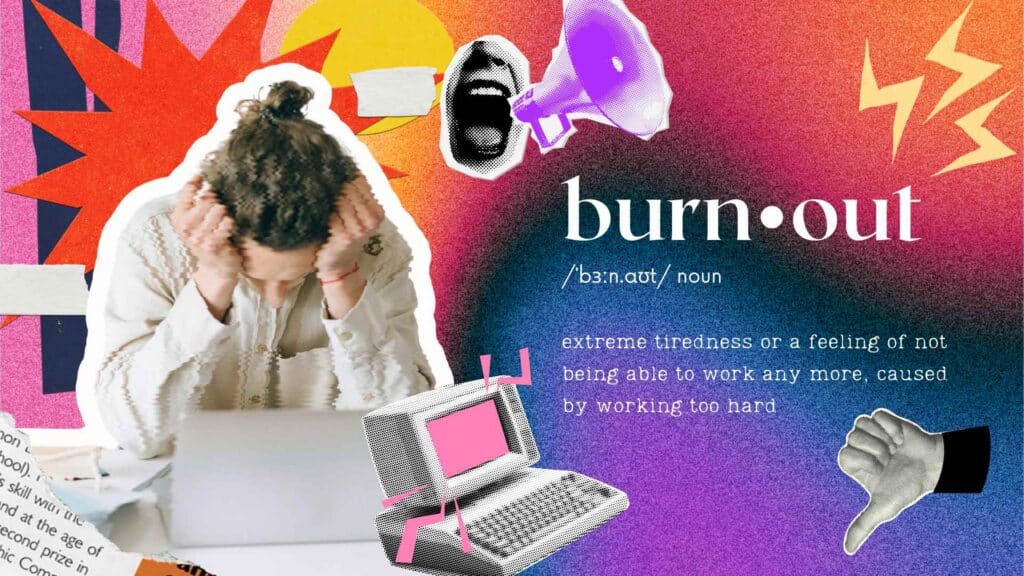
- Energy depletion or exhaustion,
- Increased mental distance from one’s job, or feelings of cynicism and negativism towards work,
- Reduced professional efficacy.
Importance of Good Mental Health at the Workplace
Mental health in the workplace is critical for creating a positive, supportive, and productive work environment. It affects how employees interact with one another, handle stress, and approach their tasks. Poor mental health can negatively influence job performance, decision-making, communication, and the overall atmosphere of the workplace. When mental health is prioritised, employees feel more valued, motivated, and engaged, fostering a healthier organisational culture.
Recognising Signs of Burnout
- Increased mental distance from work,
- Negative thoughts about co-workers or a cynical outlook on life,
- Difficulty concentrating, feelings of frustration, and even symptoms of depression or anxiety,
- Chronic fatigue and sleep disturbances,
- Increased vulnerability to physical illnesses.
Causes of Burnout
- Heavy workloads and unrealistic deadlines,
- Lack of autonomy in decision-making, leading to boredom and frustration,
- Poor work-life balance, with employees unable to separate personal time from work,
- Perceived futility in one’s role, where contributions aren’t recognised, or suggestions are ignored,
- Inadequate rewards, whether in terms of salary or acknowledgment,
- Working in an unsupportive environment,
- Not having clear direction and communication from managers,
- Lack of role clarity.

Preventing Burnout: Building Resilience and Practical Takeaways
- Self-care: Prioritise healthy habits such as regular exercise, balanced nutrition, and good sleep. Develop a strong support network and practice mindfulness or relaxation techniques.
- Work-life balance: Set clear boundaries between work and personal time. Don’t be afraid to say no to extra projects if you’re feeling overwhelmed.
- Coping strategies: Learn to recognise negative thinking patterns and replace them with solution-oriented approaches. Cultivate a growth mindset, viewing challenges as opportunities for growth rather than threats.
- Regularly checking in with their teams,
- Encouraging open dialogue about mental health,
- Offering flexible work arrangements to accommodate different needs,
- Giving credit where it’s due, providing professional development opportunities, and promoting work-life balance,
- Granting autonomy to make decisions and enabling individuals to take ownership of their choices and outcomes.
- Providing clear role expectations, setting a distinct direction, fostering effective communication, and providing feedback on performance.

Recognise, Reverse, Rejuvenate: The 3 Rs of Burnout Prevention
01 Recognise
The first step in combating burnout is awareness. Burnout doesn’t happen overnight; it builds gradually. Being able to identify early warning signs—such as persistent exhaustion, detachment from work, irritability, reduced productivity, and frequent physical ailments—can help you catch burnout before it fully sets in. It’s important to not only monitor yourself but also keep an eye on colleagues. Burnout often manifests subtly in changes in attitude, behaviour, or performance. Recognising these signs early can prevent long-term damage to both mental and physical health.
02 Reverse
Once signs of burnout are identified, it’s crucial to take action to reverse its effects. This involves addressing stress by setting firm boundaries between work and personal life. For instance, limiting work-related communications after hours, saying no to additional tasks when overwhelmed, and delegating responsibilities when appropriate can help reduce stress levels. Seeking support is equally important—whether it’s from a supervisor, a mentor, or a mental health professional. Reaching out for help to manage workload or express concerns is not a weakness but a proactive way to protect mental health. Work-life balance is key here, as it ensures work stress doesn’t spill over into personal time.
03 Rejuvenate
The final step focuses on self-care and recharging. Taking time away from work to rest, recover, and engage in activities that bring joy and relaxation is essential for maintaining mental and physical health. Whether it’s taking regular breaks, going for a walk, practicing mindfulness, or engaging in hobbies outside of work, rejuvenating your body and mind is crucial to sustaining long-term performance. It’s also important to regularly reflect on your priorities and ensure your career goals align with a healthy and balanced lifestyle. This alignment between personal aspirations and professional responsibilities ensures you stay motivated, energised, and mentally resilient over the long haul.
By integrating these three steps — Recognise, Reverse, and Rejuvenate — into our daily routine, we can effectively manage stress, prevent burnout, and maintain a sustainable, fulfilling work-life balance.
From Surviving to Thriving

[1] Freudenberger, H. J. (1974). Staff burn‐out. Journal of social issues, 30(1), 159-165.
[2] World Health Organization. (2019, May 28). Burn-out an occupational phenomenon: International Classification of Diseases. https://www.who.int/news/item/28-05-2019-burn-out-an-occupational-phenomenon-international-classification-of-diseases
[3] National Council of Social Service. (n.d.). Mental health toolkit for employers: An employer’s guide to hiring and supporting persons with mental health conditions in the workplace. https://www.ncss.gov.sg/docs/default-source/ncss-press-release-doc/mentalhealthtoolkitforemployers-pdf.pdf
[4] Hillert, A., Albrecht, A., & Voderholzer, U. (2020). The burnout phenomenon: A résumé after more than 15,000 scientific publications. Frontiers in Psychology, 11, Article 580204. https://www.ncbi.nlm.nih.gov/pmc/articles/PMC7793987/
[5] Gallup. (2019, February 12). Employee burnout, part 1: The 5 main causes. https://www.gallup.com/workplace/237059/employee-burnout-part-main-causes.aspx
[6] Moss, J. (2019, December 19). Burnout is about your workplace, not your people. Harvard Business Review. https://hbr.org/2019/12/burnout-is-about-your-workplace-not-your-people
There are currently no updates. This is the latest version available.