
If you've ever watched a loved one wave off your advice about their diet, research from the National University of Singapore offers a smarter strategy.
You know the scene. At dinner, you suggest to your mum or dad that they go easy on the fried food and add more vegetables. They nod. They smile. Nothing changes.
It's tempting to blame stubbornness. But research from the National University of Singapore (NUS) points to a different culprit. The problem usually isn't the person. It's the dose.
The one-off chat rarely works
In a review published in Nutrients, Jasmine Low and colleagues (2021) gathered 22 randomised controlled trials of dietary counselling in adults aged 50 and above, and pooled the data from nine of them. Dietary counselling isn't a meal plan handed over at the end of a consultation. It's a two-way conversation with a trained professional, who looks at how you actually eat and sets goals with you.
Overall, counselling lowered total cholesterol and fasting blood sugar. But the real story was frequency. High-intensity counselling, meaning more than six sessions of at least 30 minutes each, also lowered triglycerides and LDL ("bad") cholesterol. Lighter-touch counselling, such as a single short consult, showed no clear benefit.
Think of it like fitness. Being told once a year that you should exercise changes nobody's life. A coach who checks in every week, adjusts the plan and keeps you accountable is what gets results. Food works the same way.
Putting it to the test with older women in Singapore
There was a gap, though. Almost all the trials in Low's review involved people who were already unwell, with conditions such as type 2 diabetes or high cholesterol (Low et al., 2021). Would regular counselling help healthy older women, a group whose heart risk is easy to miss? Citing figures from the National University Health System, Ting et al. (2025) note that about 90% of Singaporean women don't realise they are at risk of heart disease.
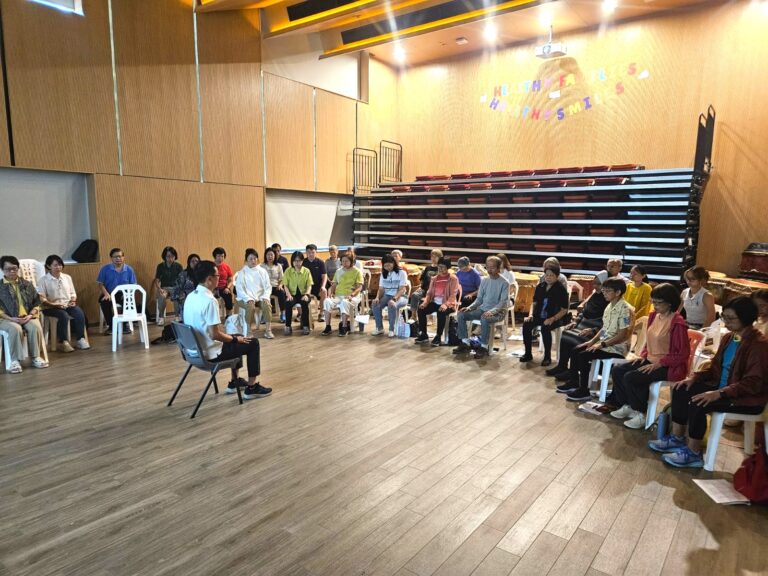
So the NUS team ran a 12-week trial, published in Nutrition, Metabolism and Cardiovascular Diseases (Ting et al., 2025). They recruited women aged 60 and above through the Hannah Seniors Activity Centre. Twenty received weekly one-hour sessions with a qualified nutritionist, while 19 carried on as usual. Based on Health Promotion Board guidelines, the sessions covered portion sizes, meal planning, reading food labels and gentler cooking methods such as steaming and boiling. No one was put on a strict diet.
What they found
Steady heart numbers aren't bad news. These women started out healthy and already ate better than average, so there was little to fix.
The CML result is the intriguing one, and the researchers report that the difference between the two groups was statistically significant. CML is a type of advanced glycation end product, or AGE. These compounds form when sugars bind to proteins or fats, both in the body as we age and in food that browns under high, dry heat. High blood levels of AGEs have been linked to stiffer arteries, inflammation, heart disease, type 2 diabetes and poorer mental health (Ting et al., 2025).
So why would CML fall when diet scores didn't change? Ting and colleagues (2025) point to cooking. The sessions encouraged steaming and boiling, and ground or fried meats contain far more CML than whole or boiled ones. A diet score records the fish on your plate, not whether it was steamed or deep-fried. The researchers stress that this is a hypothesis, as they didn't track how participants actually cooked.
A note on the evidence
This was a small study of 39 women over 12 weeks, and it ran during COVID-19. Seven of the 11 women who dropped out did so because of pandemic restrictions. The change in CML was tiny, and the authors say its meaning for long-term health is still unclear (Ting et al., 2025). Treat the findings as a promising signal, not proof.
What this means for you
Small, steady support beats big, rare interventions, for the people we care about and for ourselves.
This article is for general information only and is not a substitute for medical advice.