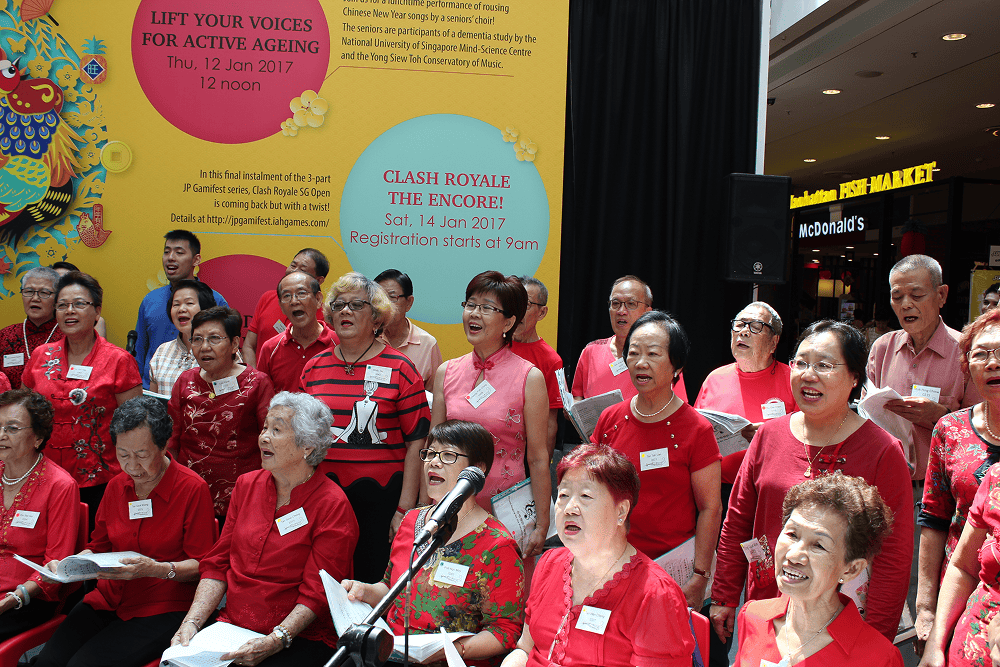

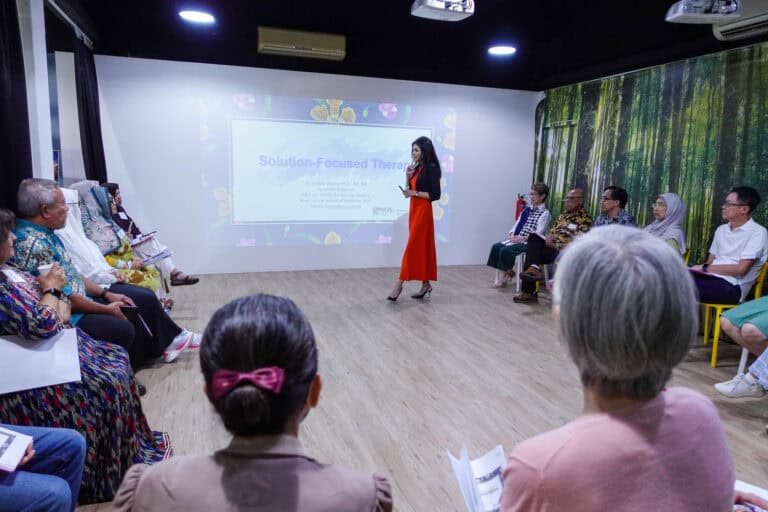
Across 4 Saturdays in September, the Yeo Boon Khim Mind Science Centre held its inaugural Psychological First Aid Training programme for Age Well Everyday programme volunteers. Based on the “where-there-is-no-psychiatrist” research by Associate Professor Shefaly Shorey, Emeritus Professor Kua Ee Heok, and a team of NUS researchers, the training aims to equip volunteers to support fellow seniors experiencing mild mental health issues such as grief, loneliness, and anxiety. It is Asia’s first programme of its kind, training seniors to be psychological first aiders for their peers.
Studies found that 5 – 7% of the Singapore population have mental illness. These are clinical cases that needs treatment by psychiatrist or psychologists. Another 10 – 15% have mild mental illness which are managed by GPs and family doctors (Speaking Up for Mental Illness: Kua EH, 2019).
More importantly, however, is that approximately another 20 – 25% of the population have mental health symptoms that fail to meet to diagnostic criteria of a mental illness. These cases are called “subsyndromal”. A study found that the local subsyndromal depression (SSD) prevalence rate increased from 9.6% in 2008 to 13.4% in 2016.

While it is not a mental illness by clinical terms, those with subsyndromal depression and anxiety still need help. They have negative effects including:
- Poor daily functioning
- Decreased quality of life
- Declined cognitive function
- Increased risk of heart & cardiovascular diseases
- Increased risk of death
- Increased suicide risk
Our Psychological First Aid training aims to help volunteers identify those who are at-risk and provide support through what we call “Solution-Finding Sessions”. The comprehensive curriculum includes:
- Profile of a Befriender
- Detecting Early Signs of Mental Distress
- Understanding Active Listening and Empathy
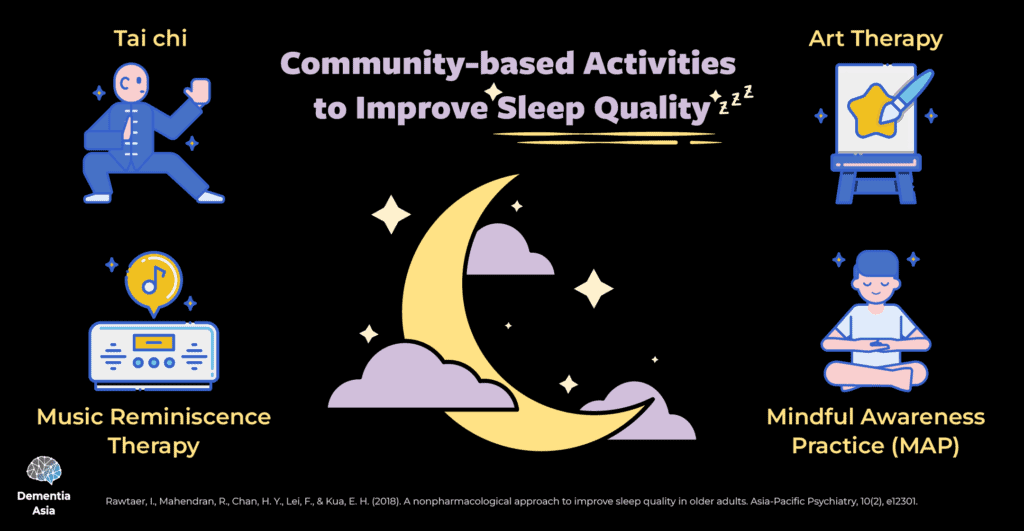
- Mindful Awareness Practice (MAP)
- Solution-Focused Therapy (SFT) Principles
- Ethical Issues
- Self-Care and When to Refer

Participant Ms Ong Li Hui (51) mentioned that “This trains us how to be aware of our body sensations and feelings. We also learn about the mind-body connection, and to view thoughts as mental events, and letting them come and go. This is crucial for the self-care of volunteers.” Ms Ong has been an active volunteer with the AWE programme and currently facilitates the music reminiscence session.
Shorey, S., Ee Heok Kua, Tam, W., Chan, V., Yong Shian Goh, Hong Meng Lim, Hsiu, L., Cheong Sing Tian, & Rathi Mahendran. (2021). “Where-There-Is-No-Psychiatrist Integrated Personal Therapy” among Community-Dwelling Older Adults: A Randomized Pilot Study. International Journal of Environmental Research and Public Health, 18(18), 9514–9514. https://doi.org/10.3390/ijerph18189514
Kua, E.H. (2019). Speaking Up for Mental Illness: 38 years of research on Mental Illness in Singapore. Write Editions.
Cetty, L., Abdin, E., Vaingankar, J. A., Jeyagurunathan, A., Chua, B. Y., Picco, L., Prince, M., Chong, S. A., & Subramaniam, M. (2017). Prevalence and correlates of traumatic brain injury (TBI) in older adults: results from the Well-being of the Singapore Elderly (WiSE) study. International Psychogeriatrics, 29(11), 1899–1907. https://doi.org/10.1017/s104161021700134x
There are currently no updates. This is the latest version available.